
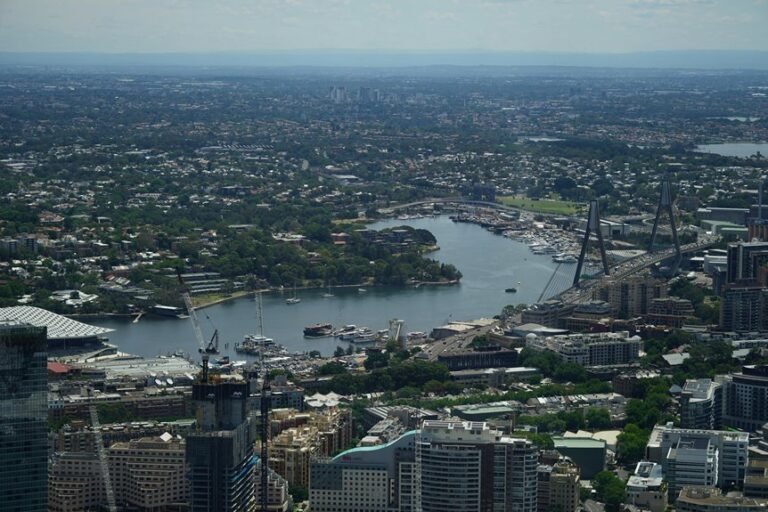
The Commercial Landscape Interpretation Brief for project codes 371551102, 911087241, 681283864, 120951992, 921100999, and 77553500 outlines a strategic approach to designing urban spaces. It focuses on integrating ecological sustainability with aesthetic appeal. By emphasizing native species and innovative hardscaping, the brief seeks to enhance user experience. However, the path to successful implementation is fraught with challenges. Understanding these complexities is essential for achieving a resilient community-focused landscape. What lies ahead in this endeavor?
Key Characteristics of Commercial Landscapes
Commercial landscapes are defined by a distinct set of characteristics that cater to both functionality and aesthetic appeal.
These spaces intricately blend urban aesthetics with functional design, promoting accessibility and usability. Strategic plant selections, hardscape elements, and efficient layouts enhance the overall experience, ensuring that both beauty and practicality coexist harmoniously.
Ultimately, these landscapes serve as vital extensions of urban environments, enriching the community’s landscape.
Opportunities for Design Enhancement
In the realm of commercial landscape design, numerous opportunities exist for enhancing both aesthetic and functional dimensions.
Embracing contemporary design trends, such as sustainable materials and native plantings, fosters an aesthetic balance that resonates with eco-conscious consumers.
Integrating multifunctional spaces and artful hardscaping can elevate user experience, creating inviting environments that stimulate engagement and foster a sense of freedom within the commercial landscape.
Challenges in Landscape Implementation
While innovative design concepts promise transformative potential in commercial landscapes, several challenges complicate their implementation.
Budget constraints often limit project scope, while site limitations can restrict design flexibility.
Regulatory hurdles further complicate compliance, and environmental factors introduce unpredictability.
Additionally, effective stakeholder engagement is crucial, as competing interests may impact decisions, alongside material availability, which can delay or alter planned installations.
Strategies for Sustainable Development
Numerous strategies exist to promote sustainable development within commercial landscapes, each tailored to enhance ecological balance while meeting aesthetic and functional demands.
Implementing green infrastructure, such as permeable pavements and green roofs, fosters urban resilience against climate change.
Additionally, integrating native plant species not only reduces irrigation needs but also supports local biodiversity, creating vibrant spaces that harmonize human activity with nature’s rhythms.
Conclusion
In conclusion, the Commercial Landscape Interpretation Brief for project codes 371551102, 911087241, 681283864, 120951992, 921100999, and 77553500 exemplifies the potential to harmonize beauty with functionality, to marry urban design with ecological integrity, and to transform challenges into opportunities. By prioritizing stakeholder engagement and embracing innovative strategies, these landscapes can foster community connection, enhance user experience, and promote environmental resilience. Ultimately, the vision is clear: create spaces that inspire, engage, and sustain.