
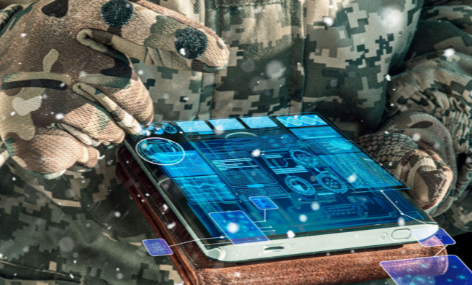
The influence of technology on modern warfare is substantial and multifaceted. Drones and unmanned systems have transformed surveillance and operational capabilities, while cyber warfare introduces new avenues for conflict. Artificial intelligence further optimizes military strategies, complicating traditional engagement approaches. However, these advancements prompt critical ethical questions about accountability and the nature of combat. As nations adapt to these technological shifts, the implications for future warfare remain uncertain and complex.
The Rise of Drones and Unmanned Systems
The proliferation of drones and unmanned systems has fundamentally transformed modern warfare, enabling unprecedented capabilities in surveillance, reconnaissance, and combat operations.
These technologies facilitate unmanned strategies that enhance operational efficiency while minimizing risk to personnel.
With advanced drone capabilities, militaries can conduct precise strikes and gather intelligence from safe distances, redefining tactical approaches and shaping the future landscape of conflict and defense.
Read more: The Future of Nanotechnology in Medicine and Industry
Cyber Warfare: The New Frontier
Emerging alongside advancements in unmanned systems is the growing significance of cyber warfare, which has rapidly become a pivotal component of modern military strategy.
Nations increasingly deploy cyber espionage tactics to gain intelligence and disrupt adversaries.
Consequently, robust digital defense strategies are essential to safeguard critical infrastructure and maintain sovereignty, as cyber threats evolve and become integral to contemporary conflict dynamics.
Artificial Intelligence in Military Operations
Artificial Intelligence (AI) is transforming military operations by enhancing decision-making processes and optimizing resource allocation.
AI decision making enables rapid analysis of vast data sets, improving situational awareness. Moreover, the integration of autonomous weapons systems presents new tactical advantages, allowing for precision strikes with minimal human intervention.
This evolution signifies a shift in operational capabilities, emphasizing efficiency and effectiveness in modern warfare strategies.
Ethical Implications of Advanced Warfare Technology
As military operations increasingly rely on advanced technologies, the ethical implications surrounding their use become paramount.
The deployment of autonomous weapons raises critical questions regarding moral responsibility. Accountability for actions taken by machines complicates traditional notions of warfare ethics, challenging the principle of distinction between combatants and non-combatants.
This evolving landscape necessitates a reevaluation of ethical frameworks to ensure adherence to humanitarian standards.
Conclusion
In the landscape of modern warfare, technology serves as both a sword and a shield, cutting through the fog of conflict while also cloaking ethical dilemmas in shadows. As nations wield these advanced tools, they must navigate a labyrinth where the lines between heroism and villainy blur. Just as Icarus soared towards the sun, only to be scorched by his hubris, so too must military leaders heed the potential perils of their technological ascendance, lest they falter in their judgment.